Biogenic CO₂: towards the renewable fuels of the future
Magnon is advancing the development of Spain’s first large-scale project to capture biogenic CO₂ (of plant origin) and convert it into renewable methanol, a clean fuel that will support the decarbonisation of the economy while providing sustainable alternatives for hard-to-abate sectors such as maritime and aviation.
To bring this vision to life, the company is developing an integrated renewable fuels platform across its energy complexes in Mérida, Puertollano and Huelva.
These facilities will continue generating renewable electricity from biomass while adding a new layer of value through the capture of biogenic CO₂ and its conversion into renewable fuels, further strengthening Magnon’s commitment to the energy transition and the circular carbon economy.
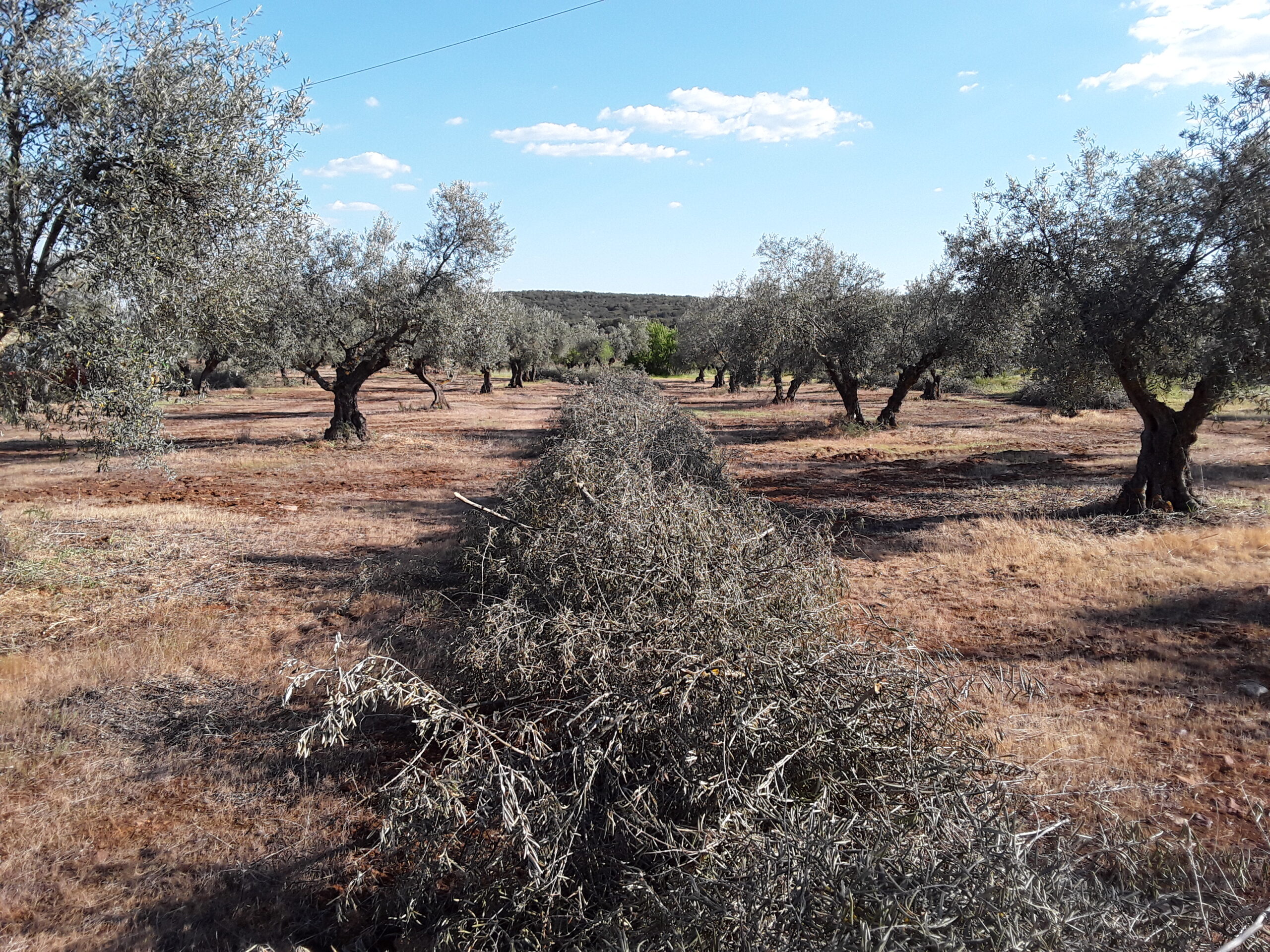
What is biogenic CO₂?
The combustion of biomass releases biogenic CO₂, that is, the same carbon dioxide that plants previously absorbed from the atmosphere during photosynthesis. It is therefore considered carbon neutral: it is part of a natural cycle that does not increase the overall concentration of greenhouse gases, unlike the combustion of fossil fuels.
Andalusia
Huelva Energy Complex
- Direct contribution to Spain’s and the EU’s climate objectives.
- Diversification of the national energy mix.
- Use of existing logistics infrastructure at local and global level.
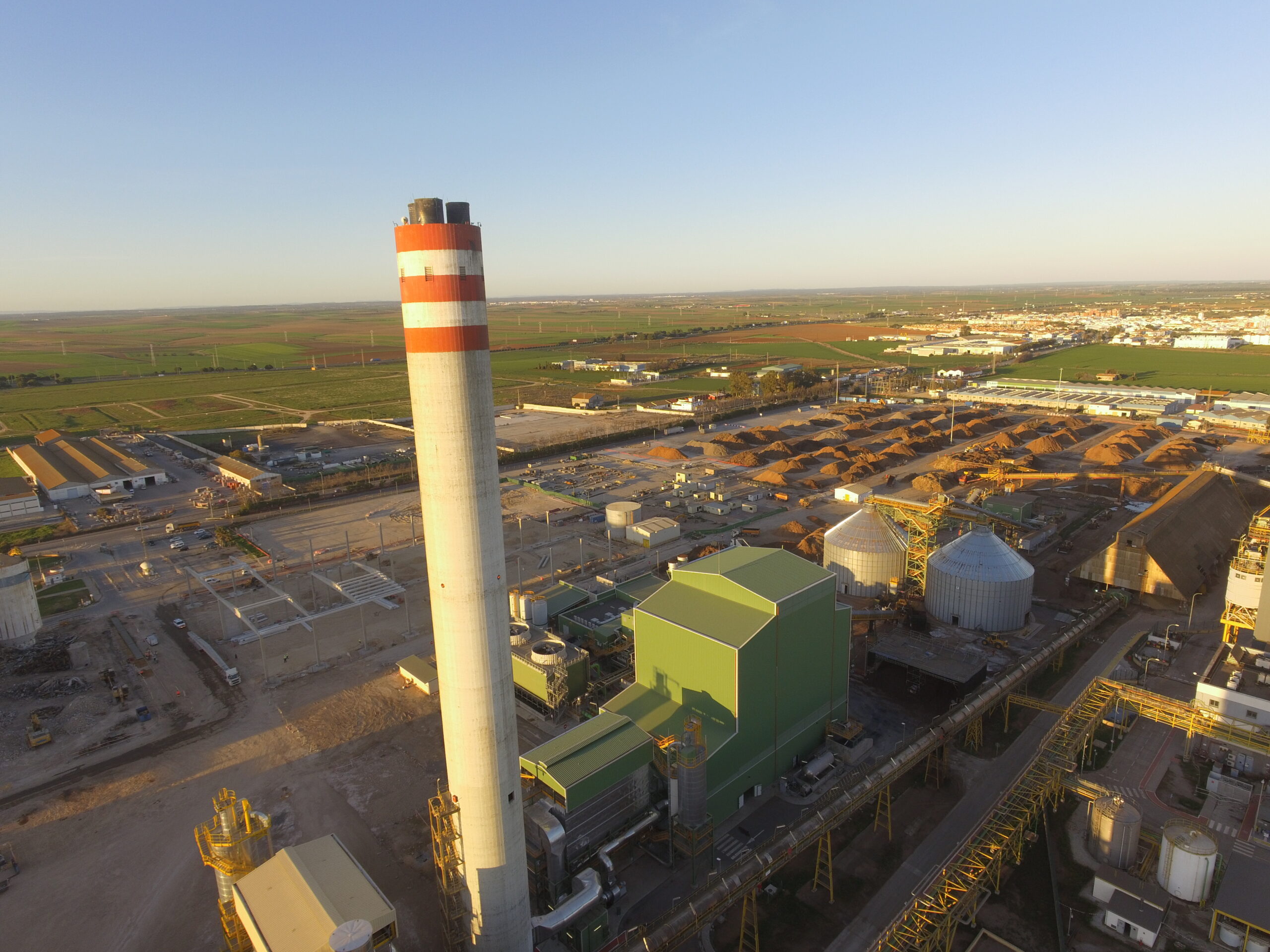
The location of Huelva provides a unique strategic advantage:
- Pioneers in the capture and utilization of biogenic CO₂ emitted in existing biomass power plants. This complex currently emits 1,000,000 tons of biogenic CO₂ per year.
- The complex is located next to a top-tier port, with access to international maritime transport networks and at the heart of a key region for the development of renewable energy projects in Spain. Located adjacent to one of Spain’s major deep-water ports, with direct access to international shipping routes and at the heart of one of the country’s most important renewable energy hubs.
- Its location facilitates both the export and domestic supply of renewable methanol to sectors such as shipping and heavy industry, where demand for low-carbon fuels is growing rapidly.
Its objective is to transform the site into a leading industrial hub for renewable fuels production and biogenic carbon capture.
Key strengths include:
- Spain’s largest biomass power generation complex, producing more than 800 GWh of renewable electricity annually.
- Recovery of over 800,000 tonnes of locally sourced agricultural and forestry biomass every year.
- Existing industrial, electrical and logistics infrastructure already fully operational, reducing investment costs, avoiding unnecessary duplication of assets and minimising environmental impact.
- Full alignment with the Renewable Energy Directive (RED), which promotes the development of new renewable energy vectors on previously developed industrial sites.
Castile La Mancha
Puertollano Energy Complex
- Direct contribution to Spain’s and the EU’s climate objectives.
- Diversification of the national energy mix.
- Use of existing logistics infrastructure at local and global level.
- The complex currently emits approximately 375,000 tonnes of biogenic CO₂ per year.
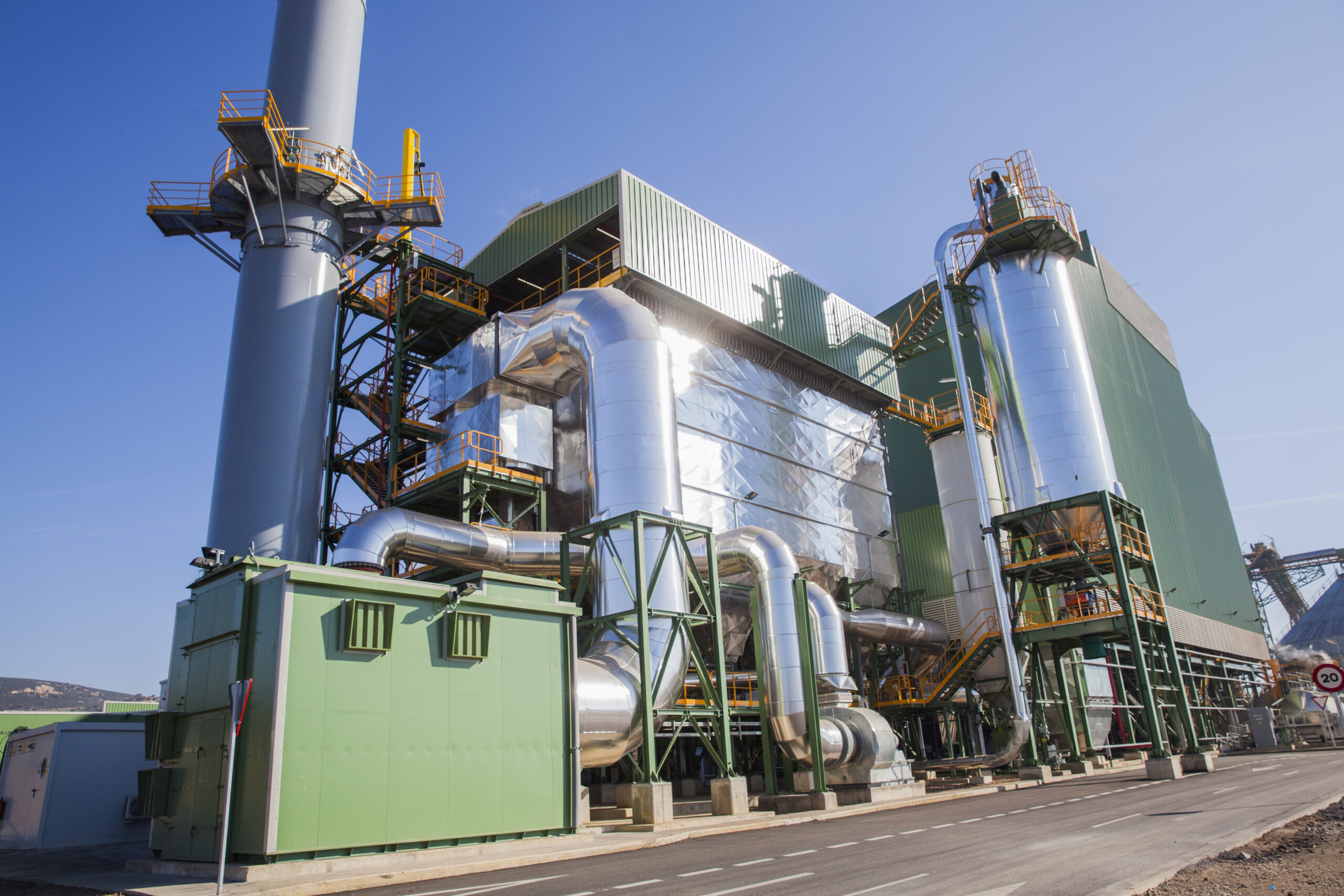
Magnon plans to develop a renewable methanol production facility at Puertollano using biogenic CO₂ captured from the flue gases of the existing biomass power plant (Puertollano I), together with a second twin facility currently undergoing environmental permitting (Puertollano II), as well as renewable hydrogen produced on site.
The project could comprise up to three integrated facilities dedicated to producing renewable methanol from hydrogen generated through water electrolysis and biogenic CO₂ captured from the biomass power plants, using primarily renewable electricity.
Extremadura
Mérida Energy Complex
- Biogenic CO₂ capture: 250,000 metric tons/year (existing boiler and auxiliary boiler).
- Direct contribution to Spain’s and the EU’s climate objectives.
- Diversification of the national energy mix.
- Use of existing logistics infrastructure at local and global level
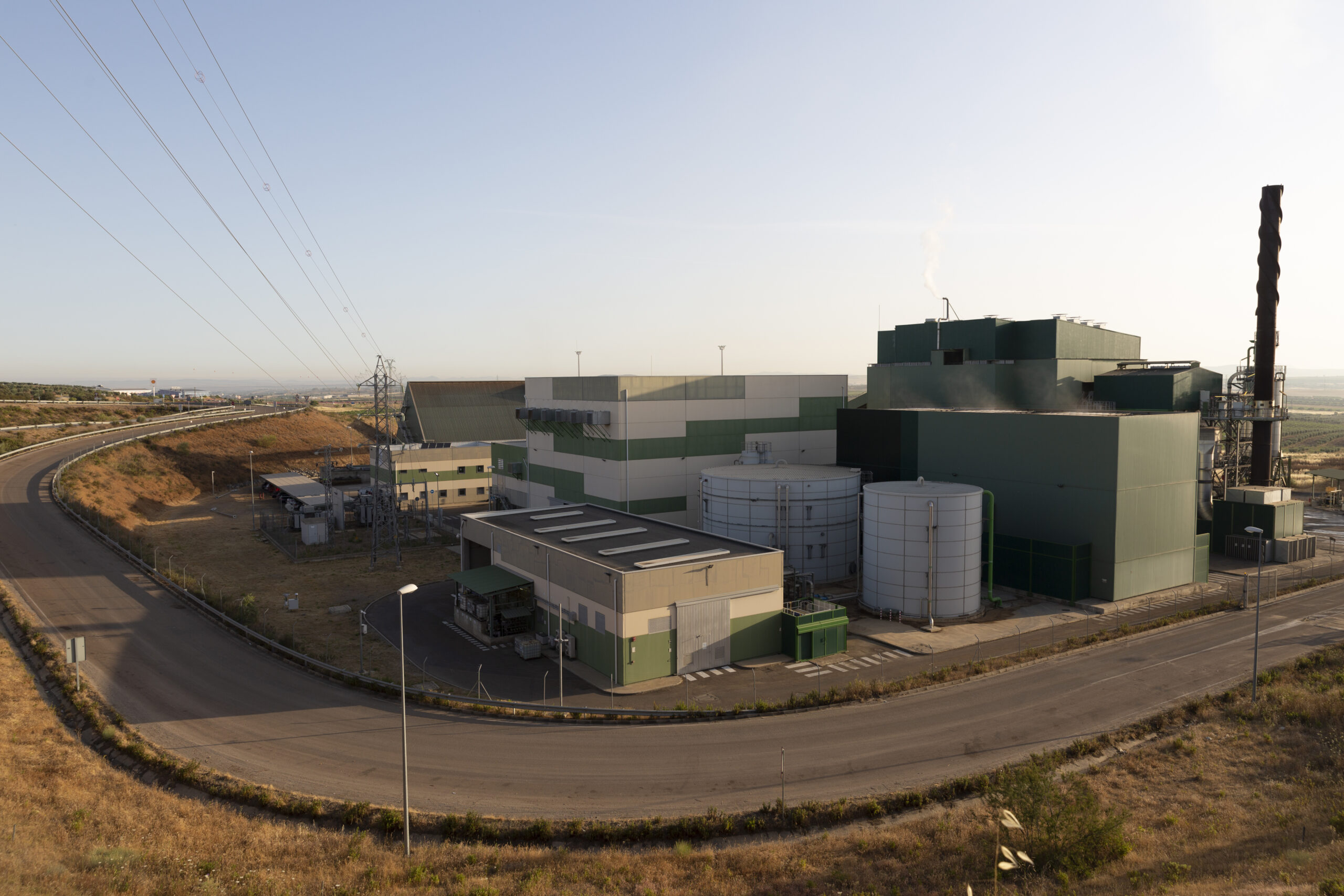
Magnon will promote the development of a new renewable methanol production plant at its Mérida complex, using the CO₂ captured at the existing biomass plant in Mérida, as well as the renewable hydrogen generated by the project at the site.
The project includes the construction of a carbon capture and CO₂ liquefaction plant to recover emissions generated by the site’s biomass boilers.
Want to know more?
Turn what were once agroforestry waste into an opportunity.
Write to us at magnon@magnon.es and we will advise you with no obligation